
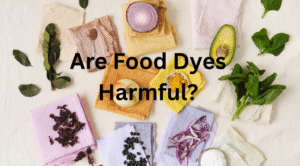
Are Food Dyes Harmful? Understanding the Truth Behind the Colors on Your Plate
In today’s world of vibrant candies, brightly colored cereals, and rainbow-hued drinks, food dyes are everywhere. They make food more appealing, especially to children, but behind their eye-catching appeal lies a question that concerns many: Are food dyes harmful to our health?
What Are Food Dyes?
Additives called food dyes are used to improve or restore the color of food.They are broadly classified into two categories: natural dyes, like beetroot red or turmeric yellow, and synthetic dyes, such as Red 40, Yellow 5, and Blue 1, which are made from petroleum-based compounds.
The Concerns Around Synthetic Dyes
Several studies have raised concerns about the potential health effects of synthetic food dyes.
For instance:
Hyperactivity in children: Research, including studies funded by the UK government, has suggested that certain artificial dyes may be linked to increased hyperactivity in children, especially when combined with preservatives like sodium benzoate.
Allergic reactions: Some individuals may experience allergies or sensitivities to specific dyes. Yellow 5 (Tartrazine), for example, has been known to trigger hives or asthma symptoms in sensitive individuals.
Cancer risks in animals: Animal studies have shown that high doses of certain dyes may increase the risk of cancer, although evidence in humans is less conclusive.
Regulatory Perspective
Food dye regulations vary worldwide. While countries like Norway and Austria have banned some synthetic dyes, others, including the U.S. and India, still permit their use but within specific safety limits set by food safety authorities. The FDA and FSSAI continue to review new research to update their safety standards accordingly.
Safer Alternatives
Given the potential risks, many health-conscious brands now use natural alternatives such as:
Annatto (orange-yellow from achiote seeds)
Spirulina (blue-green from algae)
Paprika extract and beet juice for reds and pinks
While these may be more costly and less intense in color, they offer a safer choice for families looking to reduce synthetic additives in their diets.
Final Thoughts
Food dyes can make our meals more visually exciting, but it’s important to be mindful of what goes into our food. Reading labels, choosing natural alternatives, and limiting artificially colored products—especially for children—can be a smart step toward better health. Like many additives, food dyes aren’t inherently evil, but moderation and awareness are key.
Remember: A colorful plate is great—but let nature do the coloring whenever possible.